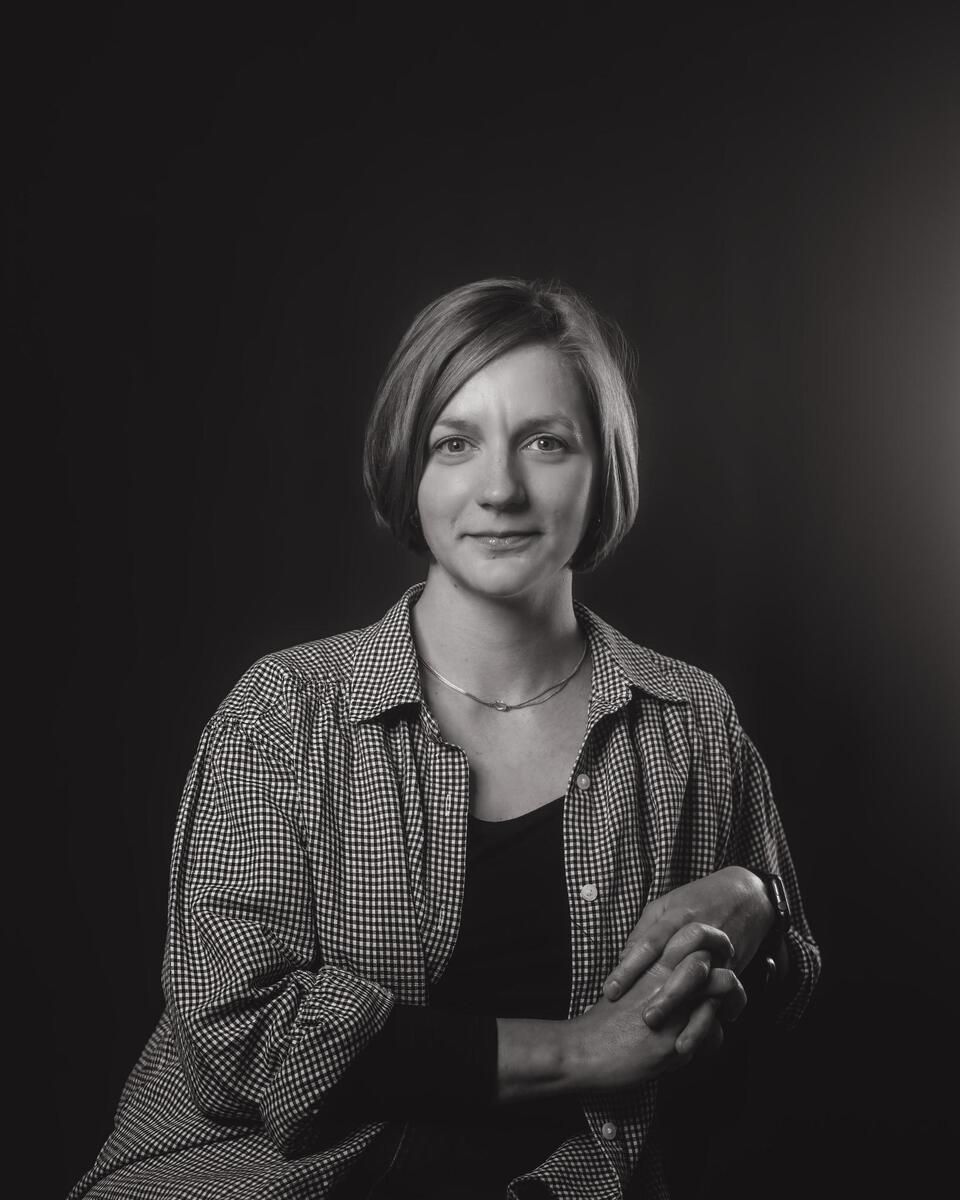
I’m starting to share stories of people who have created new opportunities for themselves in pursuit of more fulfilling work. These aren’t my coaching clients, but individuals whose journeys I’ve found genuinely insightful: people who have navigated career transitions in their own way and have something valuable to share with others going through similar shifts.
I loved Maria’s unfiltered insights about the experience of building her business. Her story is a great example of what it can look like to step off a familiar path and take a bet on yourself.
Enjoy!
Maria left her full-time role as the sole marketer at a Berlin design agency about eight months ago to build her own thing. She now does LinkedIn and personal brand consulting for solopreneurs, and is building a community for them.
We talked about how she went from employee to solopreneur, what she’s learned, and what she’d tell someone thinking about making the same move.

My first full-time role out of my master program was founding marketer at a small Berlin startup. It was just the founders, operations, designers, and me.
I had to do everything in this role: SEO, strategy, content, setting up funnels. I wanted to learn, so it was perfect for me. While doing all of that, I also discovered LinkedIn as a channel and started posting.
LinkedIn became my focus because it was the most effective and cheapest channel for us to get clients. I was ghostwriting for a colleague, managing my own account, supporting the founder, and creating resources for others to post regularly. During this time we grew a lot and more than doubled the revenue for the company.
When I started the job, I had about 700 followers on my personal account. By the time I left, in under two years, I’d grown to 17,000.
What was the main driver to leave this role?
When I reached 17,000 followers, people started reaching out to me, asking if I can do consultations or proposing collaborations. I was always very proactive and doing 20 things at once. So when more and more people reached out I started to wonder: is this something I could in theory do on my own full time?
Besides, I was starting to think: “I’m investing so much time into building this company. If I were to invest 60 hours into building my own thing, could it work out?”. I had a feeling it would be the right thing to at least try and go all-in.
Was it scary?
Definitely scary. I really liked the company, everyone was very nice, and I got a lot of support even when I decided to leave.
But having a personal brand helped a lot with my decision. I thought: if freelancing doesn’t work out, I have a personal brand, I can get a job. When I announced I left my job on LinkedIn, I got a few job offers from companies I’d really love to work with, but I wasn’t looking for a full-time job so I said no.
Having a personal brand gave me this security that I can get a job if I need to. If you’re one of two applicants and one has a 30,000 audience and one doesn’t, especially in B2B where getting leads is hard, having a relevant audience is such a huge advantage.
What happened after you left your job?
I got lucky because I got a few brand deals. Framer was my first sponsor, they sponsored a few of my posts.
I started having a LOT of demo calls and trying out free consultations and quickly noticed that they don’t always lead to clients. I didn’t have any processes set up. I didn’t even have a clearly defined offer. I was talking to a lot of people but wasn’t good at selling, defining the offer, or pricing.
Initially I was very open, saying yes to different things and trying a lot of random projects related to marketing and content creation. But I quickly realised people want to know what your expertise is, what you can actually help them with, what your focus is.
How did you go from “I can do anything” to having a clear focus?
I started asking myself: what do most people come to me for? What do I want to be known for?
People ask me mostly about LinkedIn growth and personal branding. That’s where I have the expertise and credibility from my last job and where I feel the most confident. So I doubled down on it.
What changed once you had that focus?
It was much easier to get more leads.
People knew: Maria is the expert for this, I can go to her. Being top of mind for a certain topic definitely helps a lot. As a generalist, I wish I could do everything, but picking a lane really helped.
It also made it easier to create systems and deliver higher-quality work. That’s a benefit of niching down. It’s hard to do, but it’s really much easier after a while. You can still do things for fun, but it’s good to have a focus. I learned that the hard way.
Also, I realised that there’s less pressure on the other things once you pick one main focus. For example, my newsletter is not a priority right now, because it’s not revenue generating. I was also doing events but I paused that for a bit.
In between I also had side quests. I was building an online course for full-time marketers, for them to build a personal brand. Building a product for my former self, basically. But it was so hard to convince marketers to buy. Marketers working full-time feel comfortable, they don’t feel the urgency to build a personal brand. Meanwhile, solopreneurs who need clients right now are much more motivated and willing to invest. So I paused the course and focused just on solopreneurs.
Now everything is coming together. I have a community for solopreneurs, I do LinkedIn coaching and consultations, and I run workshops for them as well. The ecosystem is growing, so hopefully it’s going to come to fruition.
I’m still asking myself what the ultimate goal is. But what I’ve learned about myself is that I love community building, creating content, and bringing people together. So I think my ultimate goal is having a big community of really amazing solopreneurs.
What do you feel like you’re getting out of this new phase?
I love that I can decide what to do with my time. I have more freedom and flexibility in my days. I can work out at 2pm on a Tuesday without questioning or hesitating.
That’s why I quit my job, I wanted more freedom. If I don’t want to work on a Monday, or I want to travel, I can do that. I think that flexibility is what I’m ultimately building.
From the community specifically, I’m also getting a lot of motivation and inspiration. I’m meeting a lot of great people. I feel inspired and I enjoy my life a lot.
What are some of your challenges as a solopreneur?
There are several sides to this.
First is the admin side. Because I like to build and do things, I find the admin, taxes, pricing, and sales hard. I wish someone could take over that part.
Then there’s predictable revenue. I’m still early in my business and there are really great months, and months when I barely make enough money to cover rent. That takes getting used to. Trusting the process.
On the business side, a big challenge is identifying my top offers and sticking to them, not tweaking them based on every person. I really want to find some flagship offers, my product-market fit.
And on the more personal side, there’s discipline. When I quit my job, I was launching like there’s no tomorrow. Every day was super focused. But I got a bit exhausted from that after the first four months, then winter came, personal life stuff happened, and I slowed down a lot.
The challenge that remains is finding a middle ground between the hustle and not doing anything. When no one is forcing me to do anything, I can keep postponing deadlines. But I’m learning to manage it and be more disciplined with myself.
One of the reasons to start working for yourself was so that you could earn more. Do you earn more now?
I earn more, yes. In December I earned nearly 10k. But then January was under 1k. What I’m learning is that as a solopreneur, a month can be very low, and then two months later you get three times your normal salary. So I plan for a year now, not a month. But yes, I have increased my income. And I could earn more, but then I’d need to hustle much more. Which isn’t my priority right now :D
What would you say to somebody working full-time and considering building their own thing in the future?
Build a personal brand. Having an audience will give you an advantage in the future, regardless of what you do.
You can start by documenting your journey right now: what you’re learning, what mistakes you’re making, what tools you’re using.
If you start putting yourself out there and documenting your life, you’re building a community of people who want to follow your journey because they like you as a person. Especially now with AI, there is so much generic content, so the more authentic you are, the more people will lean into you and want to connect with you. A lot of great opportunities can come out of it.
And keep in mind that even if there will be people who don’t care, those who DO care will support you and help you. So don’t be afraid of putting yourself out there.
Any final thoughts you’d want to leave people with?
What I don’t ask myself enough is: what do I want my life to look like? I think that’s a good question for everyone.
And if you notice something is lacking in your life, build it. I started a community because I needed people around me who are solopreneurs. Instead of trying to find a perfect fit, I built the thing I needed. If I need this, probably other people need it too.
It’s so fulfilling to build something. Follow your gut instincts and do it.
Connect with Maria and follow her work
Waitlist LinkedIn Growth Community (join 200+ people on Waitlist)
